The Soil:
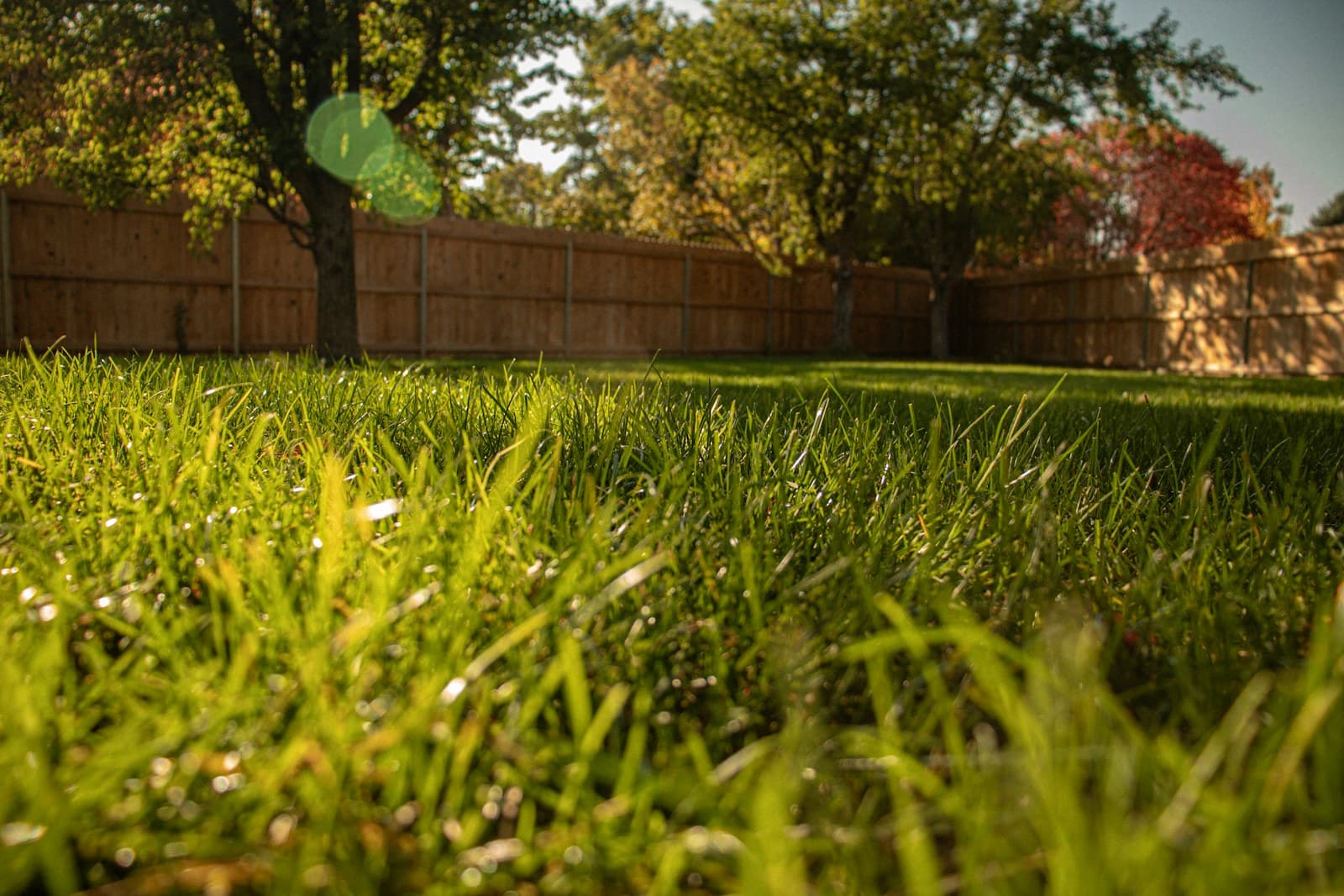
We understand the heavy, expansive clay soils of Arlington and Tarrant County, which cause root heaving and stress on mature trees.
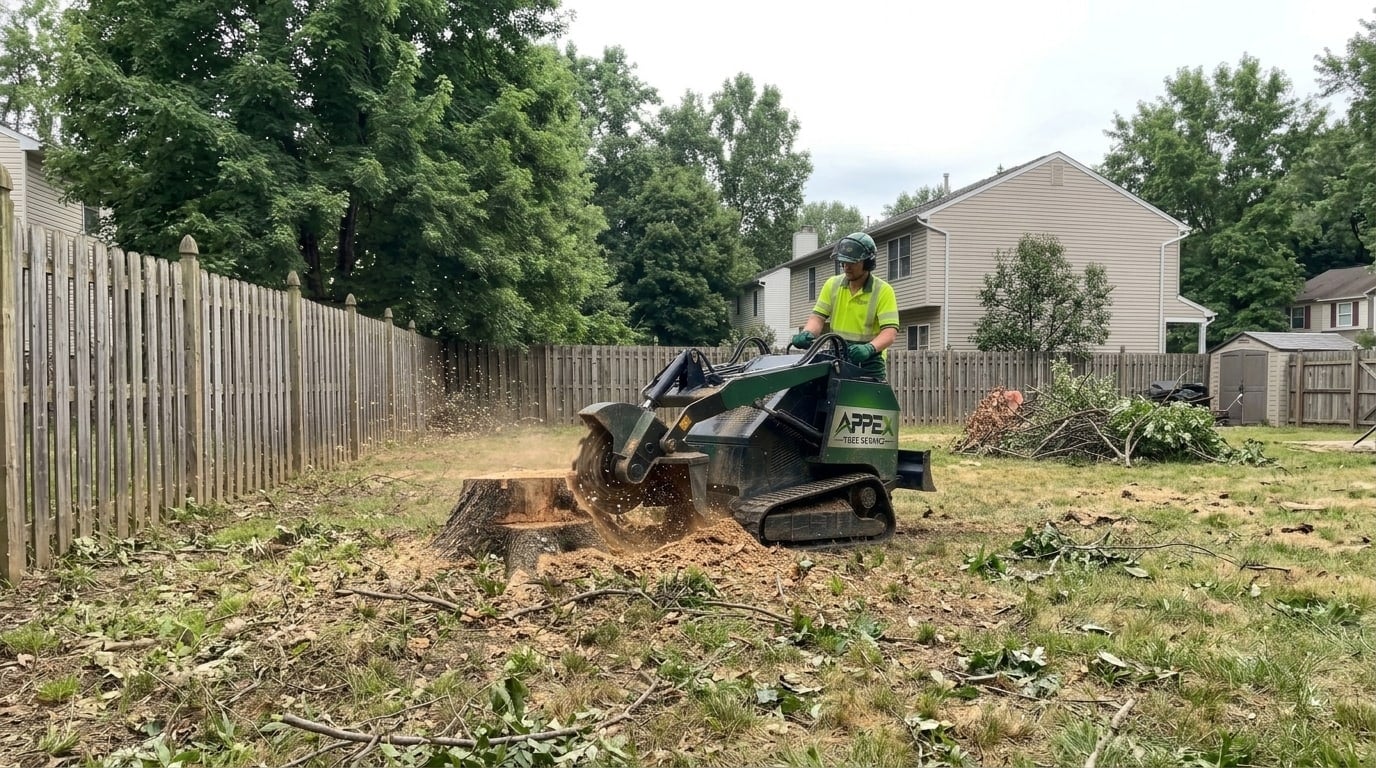
We aren’t just a tree cutting company. We are property care experts combining master arborist craftsmanship with modern, reliable, and transparent service.
Our Story: Why APPEX Was Built
For years, homeowners in Fort Worth, Arlington, and Burleson have had to settle for tree services that don’t answer the phone, show up late, leave massive ruts in their lawns, and present confusing, handwritten invoices.
APPEX was built to be the antidote to that frustration.
We looked at the top 1% of tree care companies in the country—the $5 million/year operations that run with absolute precision—and we adopted their exact operating systems, safety protocols, and technology. The result is a tree service company that operates with military-like efficiency, absolute transparency, and a deep respect for your property.
When you hire APPEX, you aren't just hiring guys with chainsaws. You are hiring a modern, tech-enabled property care team that guarantees a stress-free experience from the first phone call to the final sweep of the broom.
The DFW Difference: Why Local Expertise Matters
Trees in the Dallas-Fort Worth area face unique challenges that arborists from other regions simply don't understand. We know the local ecosystem inside and out:
We understand the heavy, expansive clay soils of Arlington and Tarrant County, which cause root heaving and stress on mature trees.
From severe spring supercells and tornado risks to sudden winter ice storms, we know how to prune and brace trees to withstand extreme Texas weather.
We are experts in managing native Live Oaks (requiring specific pruning techniques to prevent oak wilt), massive Pecan trees, and the notorious Bradford Pear trees that are prone to catastrophic splitting.
The APPEX Standard
Tree work is dangerous. That’s why APPEX carries full General Liability and Workers’ Compensation insurance. If a worker gets hurt on your property or a branch damages your roof, you are 100% protected. We never cut corners on safety.
We treat your home like our own. We use specialized turf-friendly equipment, lay down protective mats on your driveway to prevent cracking, and use advanced rigging techniques to lower heavy limbs safely without damaging your fences or landscaping.
We don’t just cut and run. Our cleanup process is rigorous. We rake, blow, and inspect the job site. Your yard will look better after we leave than it did before we arrived.
No more playing phone tag. We use industry-leading tree care software to send you digital, itemized estimates, text you when our crew is en route, and provide digital invoices. You are always in the loop.
Anyone can buy a chainsaw and call themselves a "tree guy." At APPEX, our practices are governed by the highest standards in the arboriculture industry:
ISA Standards: We follow the guidelines set by the International Society of Arboriculture (ISA) to ensure the long-term health and structural integrity of your trees.
ANSI A300 Compliance: All of our pruning and maintenance operations strictly adhere to ANSI A300 tree care standards, ensuring we never "top" trees or make cuts that lead to decay and disease.
Continuing Education: Our team is constantly training on the latest techniques in hazard tree assessment, crane-assisted removals, and plant health care.
The Science Behind Our Standards
Professional tree care follows published standards, not guesswork. APPEX follows International Society of Arboriculture (ISA) guidelines and ANSI A300 standards on every job. Here is what those standards ask for, and why they matter for trees in Fort Worth, Arlington and Burleson.
Fact 01 of 04
According to the ISA, certification is a nongovernmental, voluntary credential. Arborists earn it by passing a comprehensive exam written by leading tree care experts, and they must keep up continuing education to keep it. Certification holders must also follow a Code of Ethics.
Fact 02 of 04
ISA guidance uses a three-cut method. The first is an undercut about 12–18 inches from where the limb attaches. The second is a top cut that drops the limb and leaves a stub. The third removes the stub just outside the branch collar, never flush with the trunk.
Fact 03 of 04
The ISA recommends reduction instead of topping. Each limb is cut back to a lateral branch at least one-third the diameter of the cut stem, so that branch can take over as the new leader. This keeps the tree's natural form and structural integrity.
Fact 04 of 04
Live Oaks need careful pruning timing because oak wilt can spread through pruning wounds. The ISA advises against pruning susceptible trees during active transmission periods. Bradford (Callery) pears grow branches at narrow angles and are prone to splitting. TexasInvasives.org also lists Callery pear as invasive, because it forms dense thickets that push out native plants.
At a glance
3 entries
Abbreviation
ISA
Why it matters
Arborist certification, continuing education and Code of Ethics
Abbreviation
TCIA
Why it matters
Professional membership organization for tree care companies
Abbreviation
ASCA
Why it matters
Consulting arborists for appraisals and expert advice
FAQ
Still have a question?
Call or message our team, Mon–Sat 8:00 AM–5:00 PM.
APPEX Tree Service is a locally owned Dallas–Fort Worth company, operated by APPEX LLC.
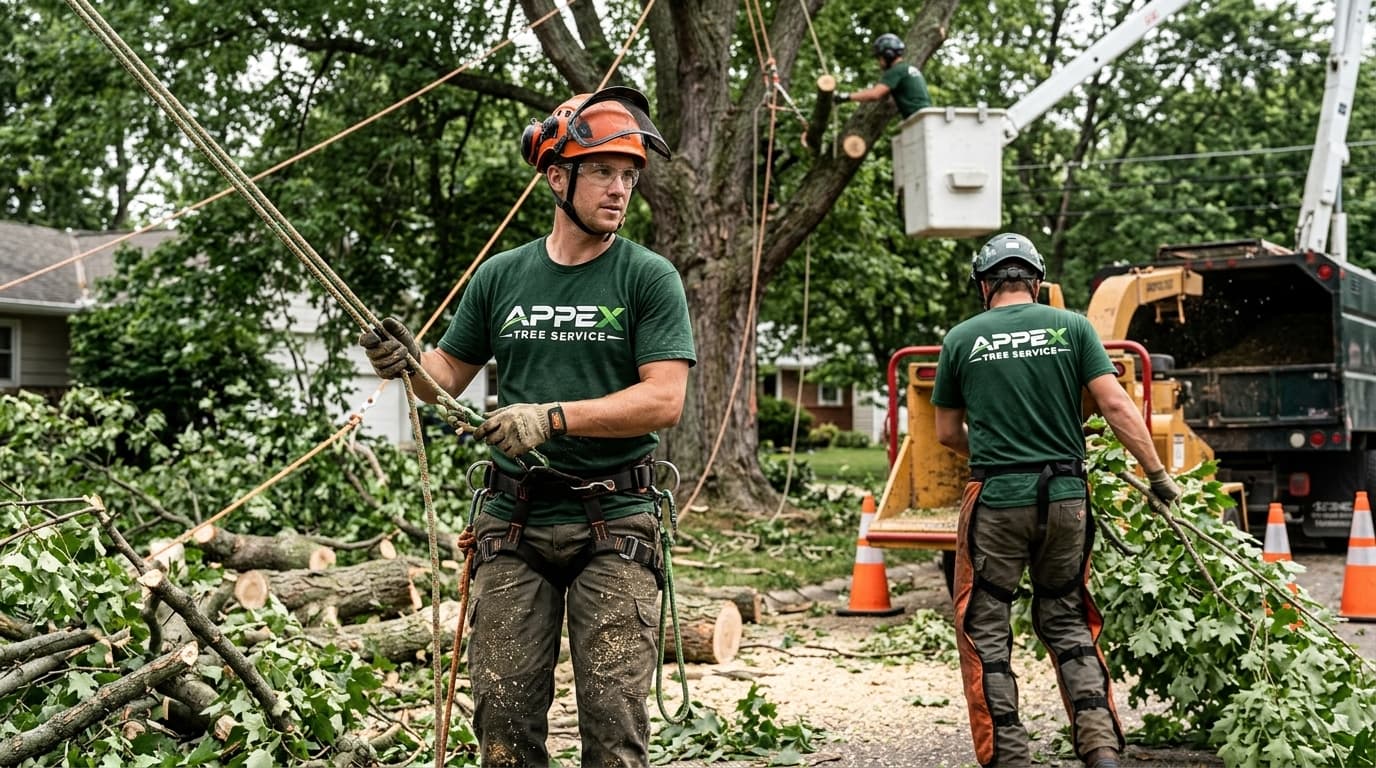
Join hundreds of satisfied homeowners across Fort Worth, Arlington, and Burleson who have upgraded their tree care experience.